
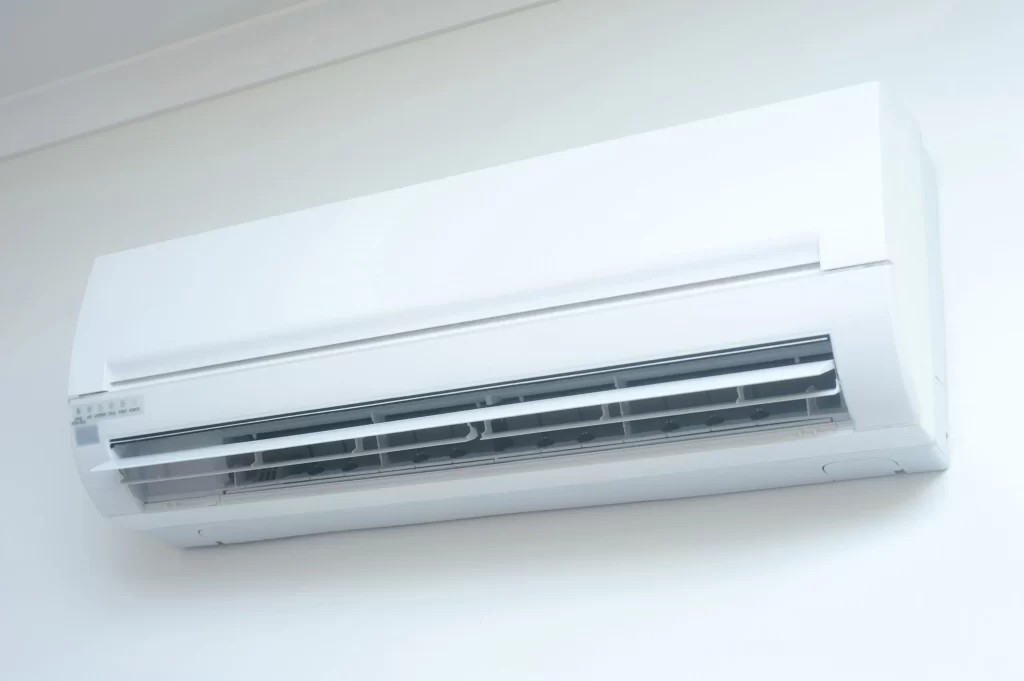
Protect indoor air quality with Ignite Heat Cool’s HVAC split systems in Melbourne. Advanced filtration helps defend homes during bushfire season.
Bushfire season poses significant challenges to maintaining healthy indoor environments. At Ignite Heating & Cooling, we provide advanced HVAC split systems across Melbourne that regulate temperature while preventing smoke and pollutants from entering living spaces. These systems provide a reliable barrier between outdoor contaminants and indoor air, ensuring comfort and safety during periods of hazardous air quality.
How HVAC Split Systems Filter and Purify Smoke-Affected Air
High-performance HVAC split systems are designed with filtration technology that captures fine particles, allergens, and volatile organic compounds. The inclusion of HEPA and activated carbon filters allows these systems to remove PM2.5 particles responsible for respiratory discomfort and odour.
Key technical features include:
• Multi-stage filtration: Utilises layered filter media to capture fine smoke particles, allergens, and dust, ensuring consistently purified indoor air.
• Sealed indoor units: Create an airtight barrier that blocks outdoor contaminants from entering the air distribution path.
• Reverse-cycle operation: Maintains optimal thermal comfort while actively filtering airborne pollutants during both heating and cooling cycles.
• Continuous air circulation: Promotes steady airflow and uniform air quality across all conditioned zones, reducing stagnant air pockets.
• Activated carbon filtration: Absorbs harmful gases and neutralises odours produced by bushfire smoke, enhancing indoor breathing safety.
Effective filtration protects building occupants from exposure to smoke and particulate matter generated during bushfires. The result is cleaner air and reduced risk of irritation or respiratory strain.
HVAC Split Systems and Airborne Contaminant Control
Scientific research confirms that HVAC split systems effectively reduce indoor air pollution during bushfire conditions. Well-maintained units equipped with HEPA or electrostatic filters can significantly decrease smoke particle infiltration and improve overall air quality. Consistent system performance depends on correct installation, proper sealing, and timely maintenance.
A peer-reviewed study titled Impact of Wildfire Smoke Events on Indoor Air Quality and Evaluation of a Low-cost Filtration Method found that continuous filtration substantially lowers indoor PM₂.₅ levels. The research demonstrated that air systems operating with efficient filtration maintained cleaner indoor environments even under severe smoke exposure.
Optimising HVAC Split Systems for Bushfire-Ready Performance
Optimisation enhances both filtration efficiency and energy performance. At Ignite Heating & Cooling, we recommend professional system assessments before bushfire season to confirm all components operate at peak capacity. Installing carbon-activated filters improves smoke absorption. Smart thermostats enable the real-time monitoring of air quality parameters. Proper sealing of wall penetrations and ducts prevents infiltration of contaminated air.
Our well-calibrated split systems maintain stable pressure differentials and consistent airflow. Correct airflow management ensures contaminants are filtered effectively without overloading the system, reducing operational stress and extending equipment lifespan.
Safeguard Indoor Air Quality with Ignite Heat Cool’s Advanced HVAC Split Systems
High-efficiency HVAC split systems from us at Ignite Heating & Cooling provide a dependable solution for maintaining clean indoor air during bushfire season. Expert installation and regular maintenance ensure each system delivers precise temperature control and continuous air purification.
Contact us for professional installation and servicing of HVAC split systems in Melbourne.
Related Blog Article: Split System AC Installation Melbourne – Cost, Process, and Compliance Tips