
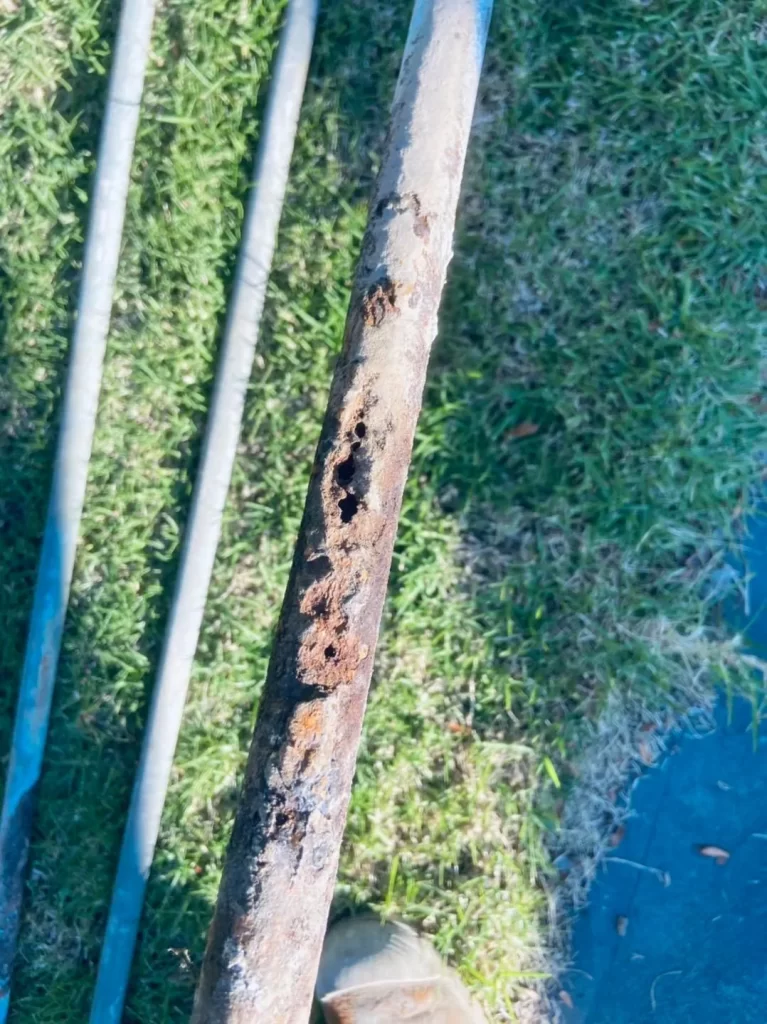
Recurring leaks in galvanised pipes may justify renewal. Arrange a Melbourne assessment based on pipe condition, access and fault history.
Recurring leaks in galvanised pipes may justify replacement when deterioration affects multiple sections, but one leak does not automatically mean the whole home needs renewal. Ignite Heating & Air Conditioning assesses the fault history, visible pipe condition, water flow and access before recommending a local repair or a broader hot-and-cold-water renewal.
Our documented general plumbing and water-renewal services include replacing old rusted galvanised water pipes. The outcome depends on the property; we do not promise that renewal will correct every pressure, water-quality or future plumbing issue.
When Does Another Local Repair Stop Making Sense?
A single damaged joint, fitting or short section may be repairable. A renewal assessment becomes more useful when leaks appear in different locations, corrosion is widespread, restricted flow affects several outlets or previous repairs reveal continuing deterioration. Access costs and disruption also matter when the same concealed lines are opened repeatedly.
The assessment should distinguish pipe restrictions from other possible causes of poor flow or pressure. Fixtures, valves, the incoming supply and hot-water equipment can produce similar symptoms. Diagnosis comes before scope.
What Evidence Helps Decide Between Repair and Renewal?
Homeowners can make the first visit more productive by collecting information rather than guessing at the cause:
- Leak history: List previous fault locations, dates, repairs and whether new leaks appeared elsewhere.
- Water symptoms: Record discolouration, reduced flow, pressure changes and which outlets are affected.
- Pipe information: Identify visible galvanised sections, known renovations and any mixed pipe materials.
- Access conditions: Show whether pipework is exposed, under the floor, inside walls or above ceilings.
- Planned building work: Mention upcoming bathroom, kitchen or flooring work that could change access timing.
Our article on hot and cold water installation in Melbourne homes provides background on related supply decisions. This article targets the narrower question of repeated galvanised-pipe faults.
Plan the Renewal Around the Property
If renewal is recommended, the scope should identify affected lines, outlets, proposed pipe routes, access and making-good responsibilities. Staging may be possible, but splitting work should not create unclear interfaces or leave confirmed failed sections untreated. The quotation should state what is included rather than relying on a vague promise to ‘repipe the house’.
Victorian plumbing work is regulated. The official Plumbing Regulations 2018 page provides the current instrument and amendment history. Applicable licensing, technical and compliance requirements must be confirmed for the actual work.
If the symptoms may involve the hot-water unit rather than the distribution pipework, our hot-water system servicing article outlines a separate assessment path.
Before work begins, confirm which walls, ceilings, cupboards or floors may need access and who will complete any making-good. A cheaper plumbing figure can become misleading if access and reinstatement are excluded, so these boundaries should be visible in the written scope.
Request a Galvanised Pipe Assessment
Use our plumbing booking and quote form to send the Melbourne property address, leak history, affected outlets, photographs, visible pipe materials and access details. We can assess whether targeted repair or a defined renewal scope is the more practical next step.